
2 minute read
SWOT Analysis – We have heard it all before
If you have been in business for a while you would most likely have heard of the necessity and value of doing a swot analysis. It is a tool that has been around for many years.
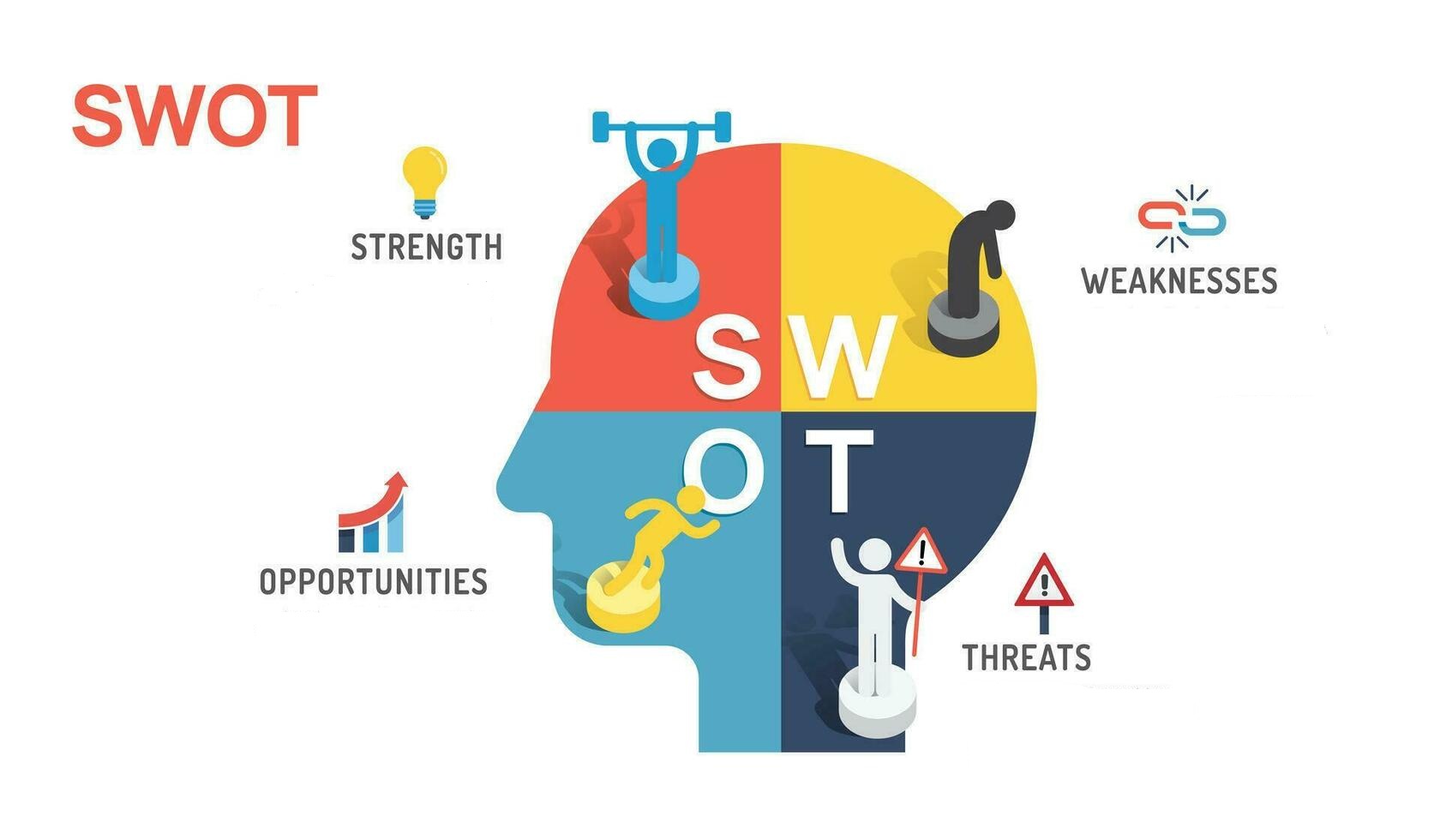
While a swot analysis is a worthwhile exercise, most business owners, directors and managers miss the real power of a swot analysis. Through the application of an integrated swot (I-SWOT) analysis you can take your swot analysis exercise and decision making to the next level.
What is a traditional swot analysis?
A SWOT analysis is a strategic planning tool used to identify and assess the internal and external factors that can affect the success of a business. SWOT is an acronym that stands for Strengths, Weaknesses, Opportunities, and Threats:
Strengths
Identify what the company excels at and the unique resources that provide an advantage over competitors.
Examples: Strong brand reputation, unique technologies or intellectual property, loyal customer base, skilled workforce, efficient supply chain.
Weaknesses
Recognize areas where the business lacks resources or capabilities, which may hinder performance.
Examples: Limited product range, high debt levels, inefficient processes or outdated technology, poor geographical presence, lack of marketing resources.
Opportunities
Explore potential areas for growth or improvements, such as market trends or regulatory changes.
Examples: Emerging markets or customer segments, technological advancements, partnerships or joint ventures, changes in consumer behavior (e.g., sustainability trends) and market gaps that can be filled.
Threats
Identify outside factors that could pose risks to the business, such as competitive pressure or economic changes.
Examples: Increasing competition, economic downturns, changing regulations, supply chain disruptions.
A SWOT analysis can provide critical insights for decision-making and strategic planning, helping businesses to better understand their positioning in the market, however if the decision making is not integrated then an opportunity to leverage this insight is missed.
What is integrated decision making?
Integrating head, heart, and gut neuro coaching involves addressing the cognitive (head), emotional (heart), and instinctual (gut) aspects of individuals in the coaching process. This holistic approach recognizes that effective decision-making and personal development require a balance of intellect, emotions, and instincts.
- Head (Cognitive Aspects)
Awareness and Understanding: Developing a clear understanding of ones thoughts, beliefs, and mental models. Challenge limiting beliefs and reframe negative thought patterns. - Heart (Emotional Aspects)
Emotional Awareness: Recognizing and understanding you emotions and how they affect your most important and critical decisions. - Gut (Instinctual Aspects)
Intuitive Decision-Making: listening to your instincts and gut feelings and how to make better decisions and take calculated risks based on your gut feelings.
Integrated swot analysis model: (I-SWOT)
Integrating head, heart, and gut neuro coaching creates a comprehensive framework that recognizes the multifaceted nature of growth and decision-making. Empowering clients to engage all three aspects will facilitate deeper insights, enhance self-awareness, and promote balanced, holistic progress in their personal and professional journeys.
The I-SWOT model is a powerful tool for progressive modern businesses to ensure they stay relevant and one step ahead of the competition.